Les Terres des Malves
Our adventures
in the heart
of Minervois
This blog documents our ongoing dialogue with the elements as we regenerate land through permaculture and the forest garden concept.
Read the adventuresLes Terres des Malves
Chronicles
Latest adventures
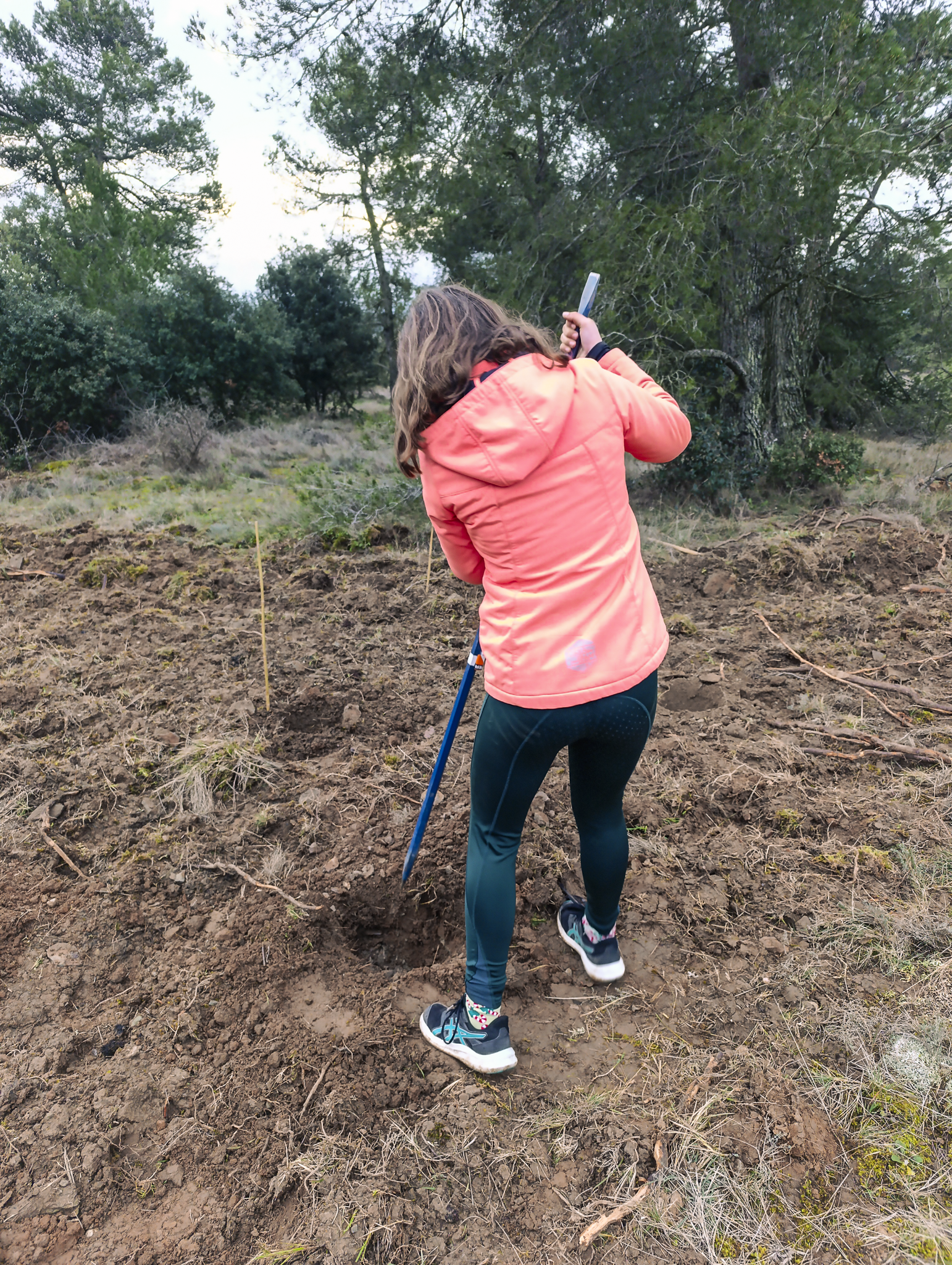
April 2026
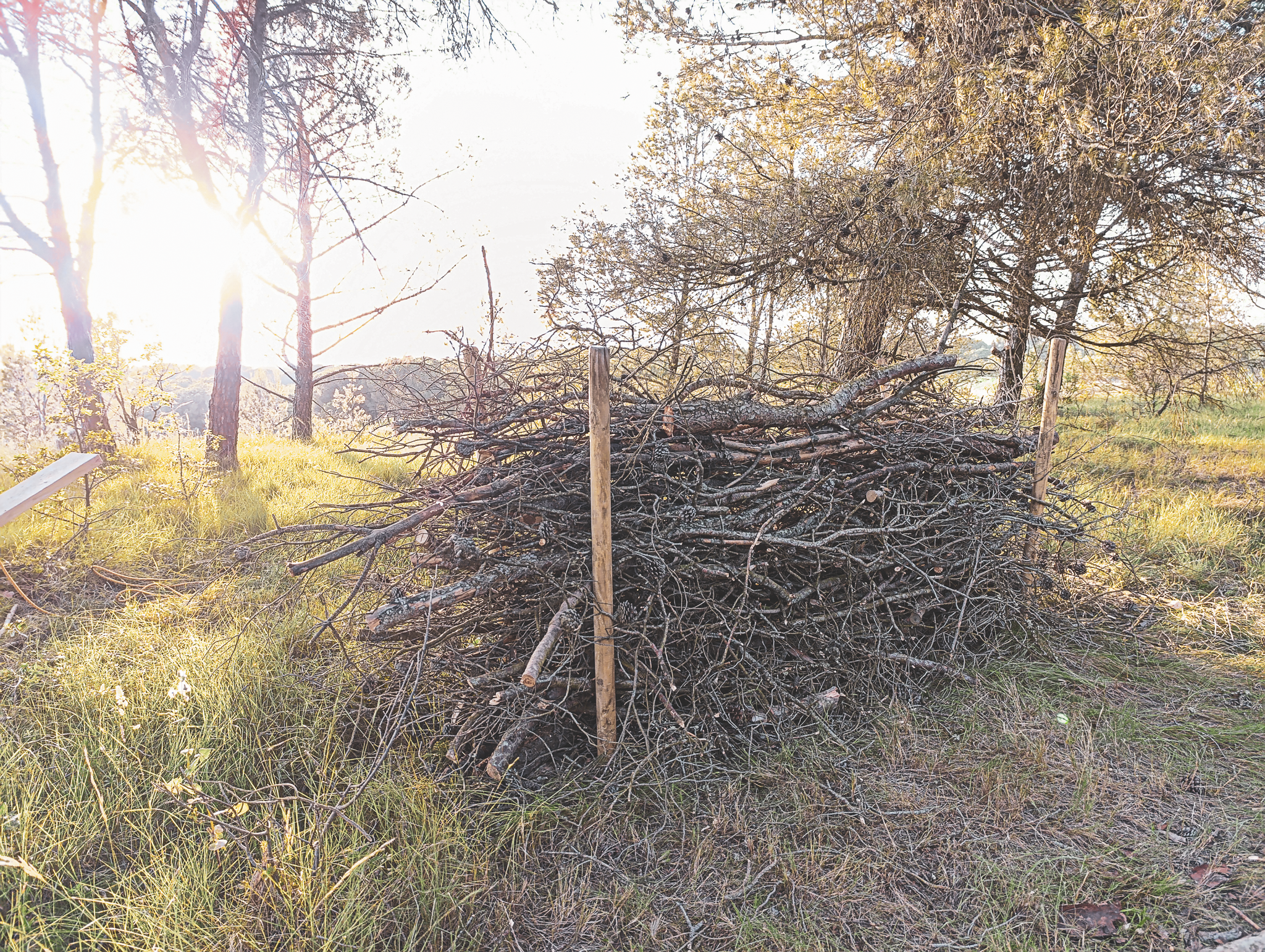
Clearing the Land & Creating Biodiversity
From fire prevention to biodiversity: how we cleared the land, reused branches, and built our first dry hedge ecosystem.
Read →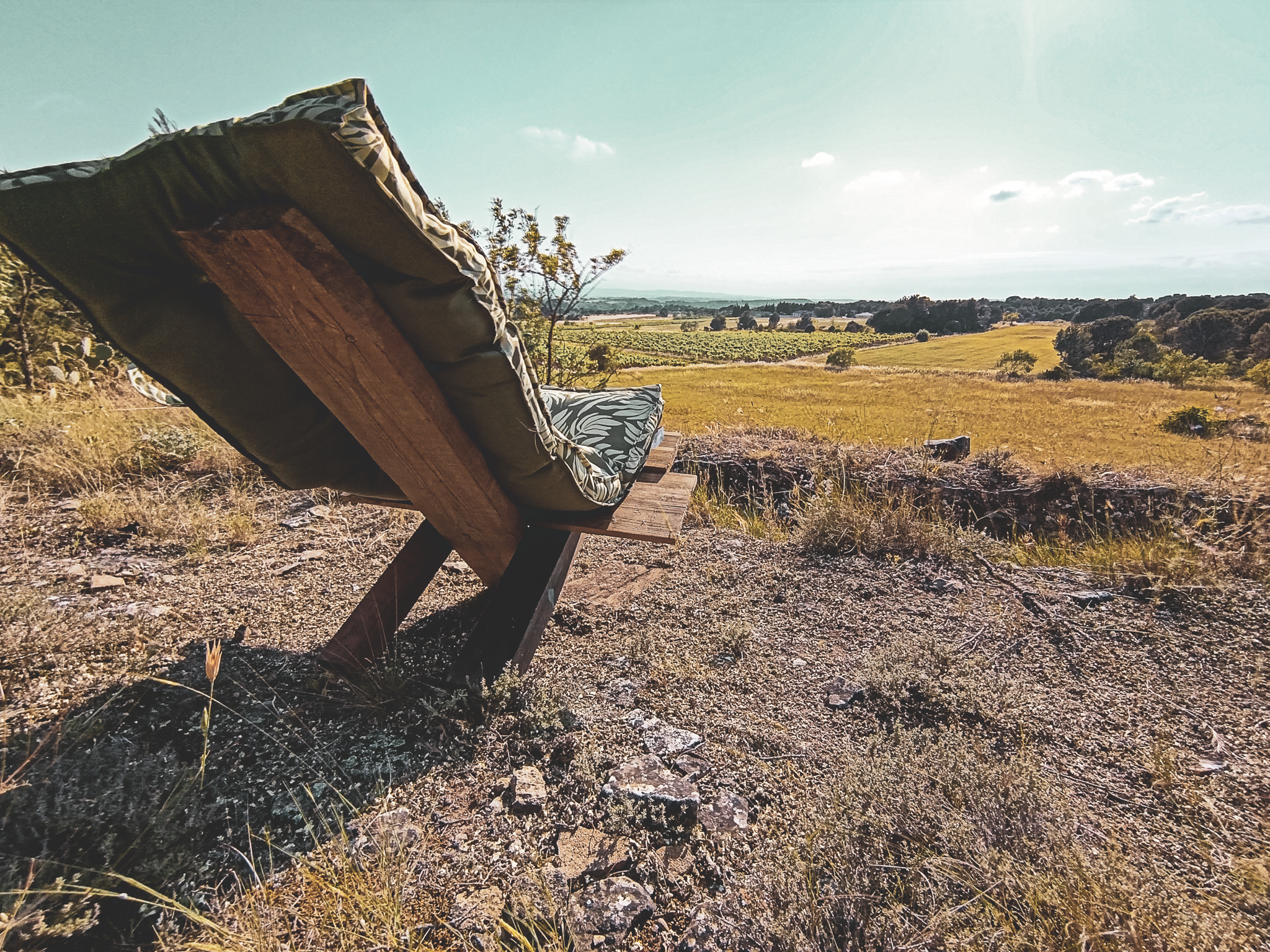
April 2026
Building without Buying
How we started building on our land using only found materials — simple DIY projects, no budget, just time and …
Read →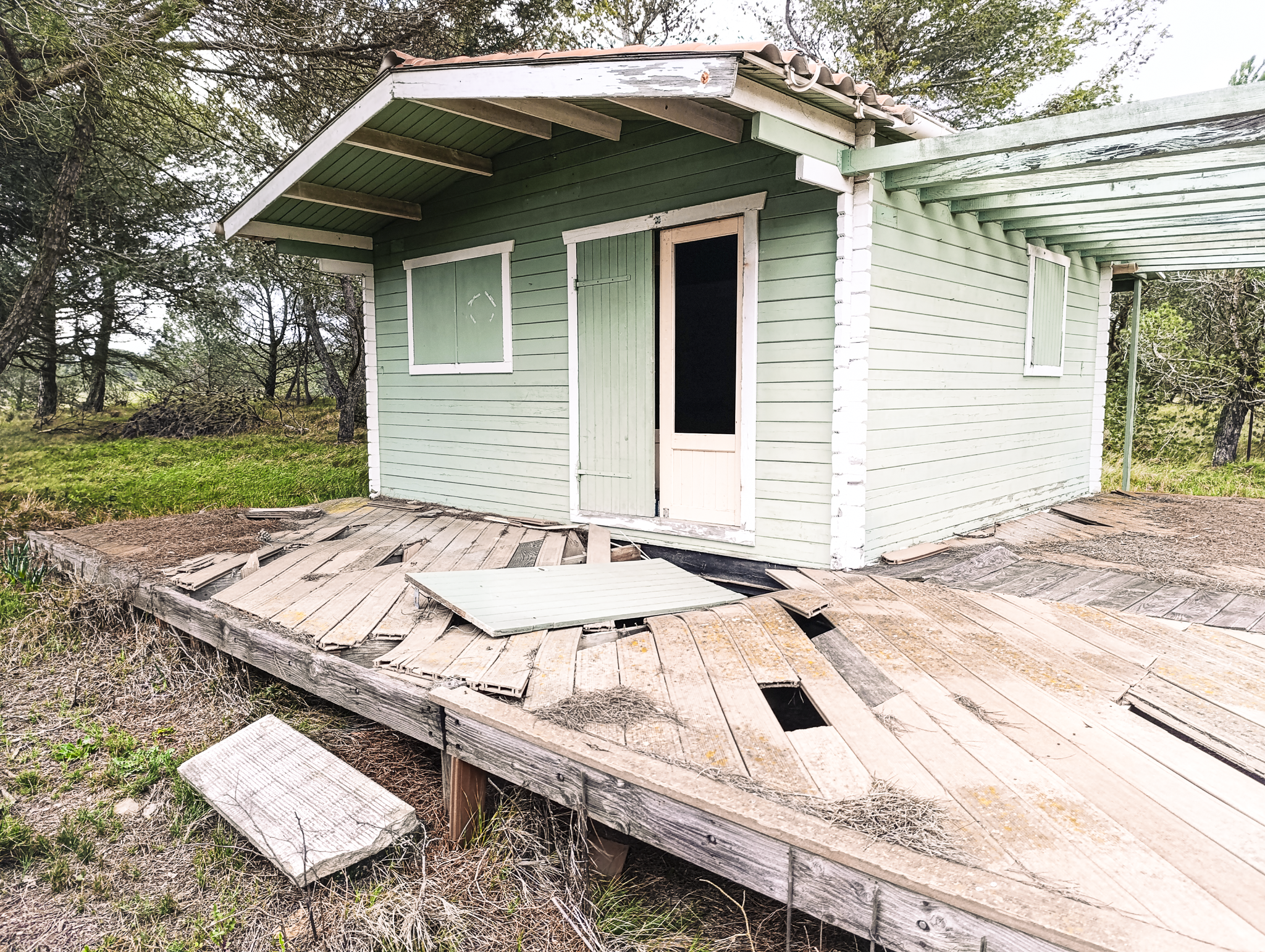
April 2026
Before It Was Ours
What it feels like to start a land project before officially owning it — between excitement, doubt, and the long French …
Read →
April 2025
The Day Everything Began
Our first visit to the land: 9,000 m² on a windswept plateau in the Minervois, a ruined bungalow — and the moment the …
Read →Snapshots
Gallery
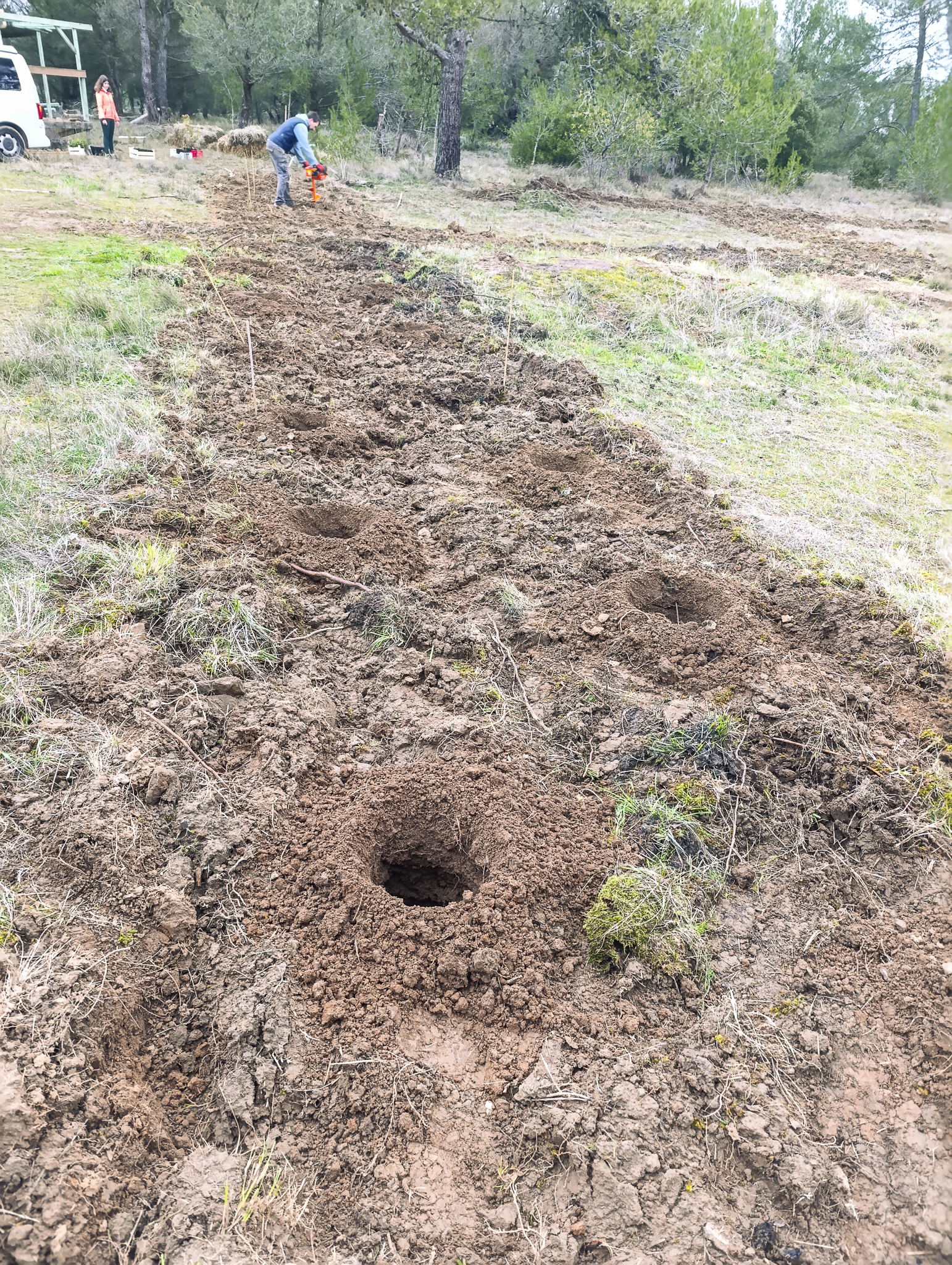
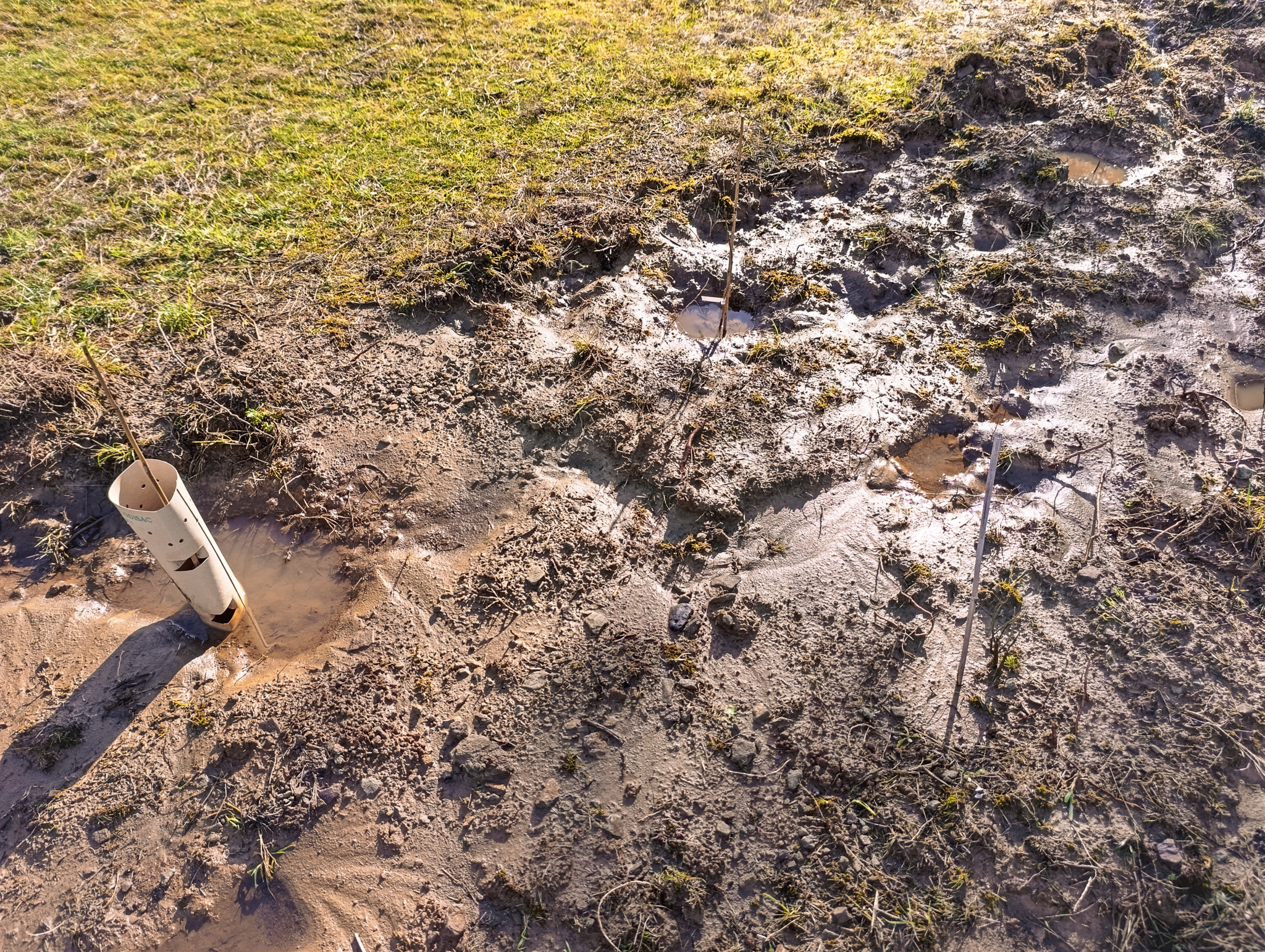
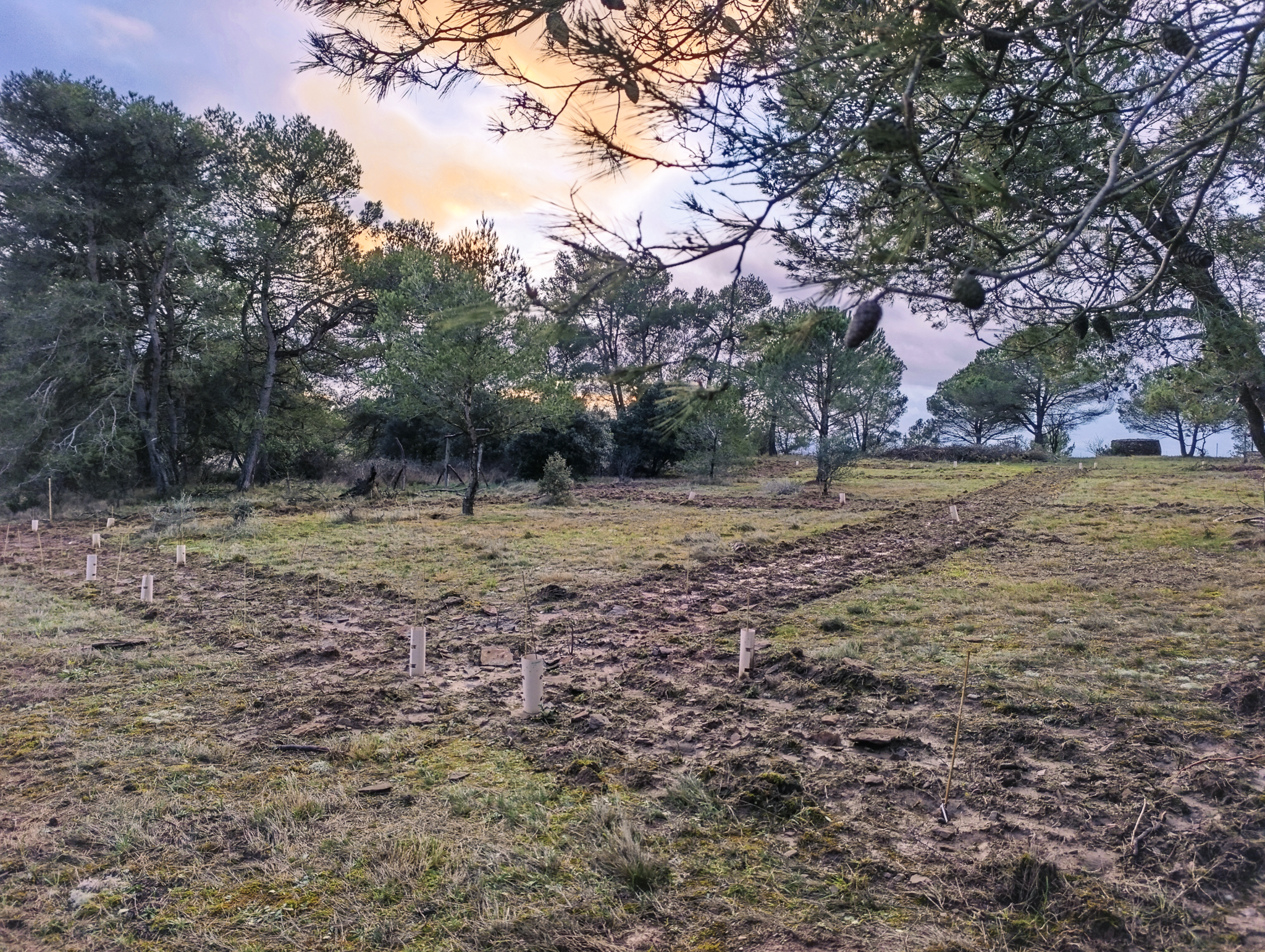
About us
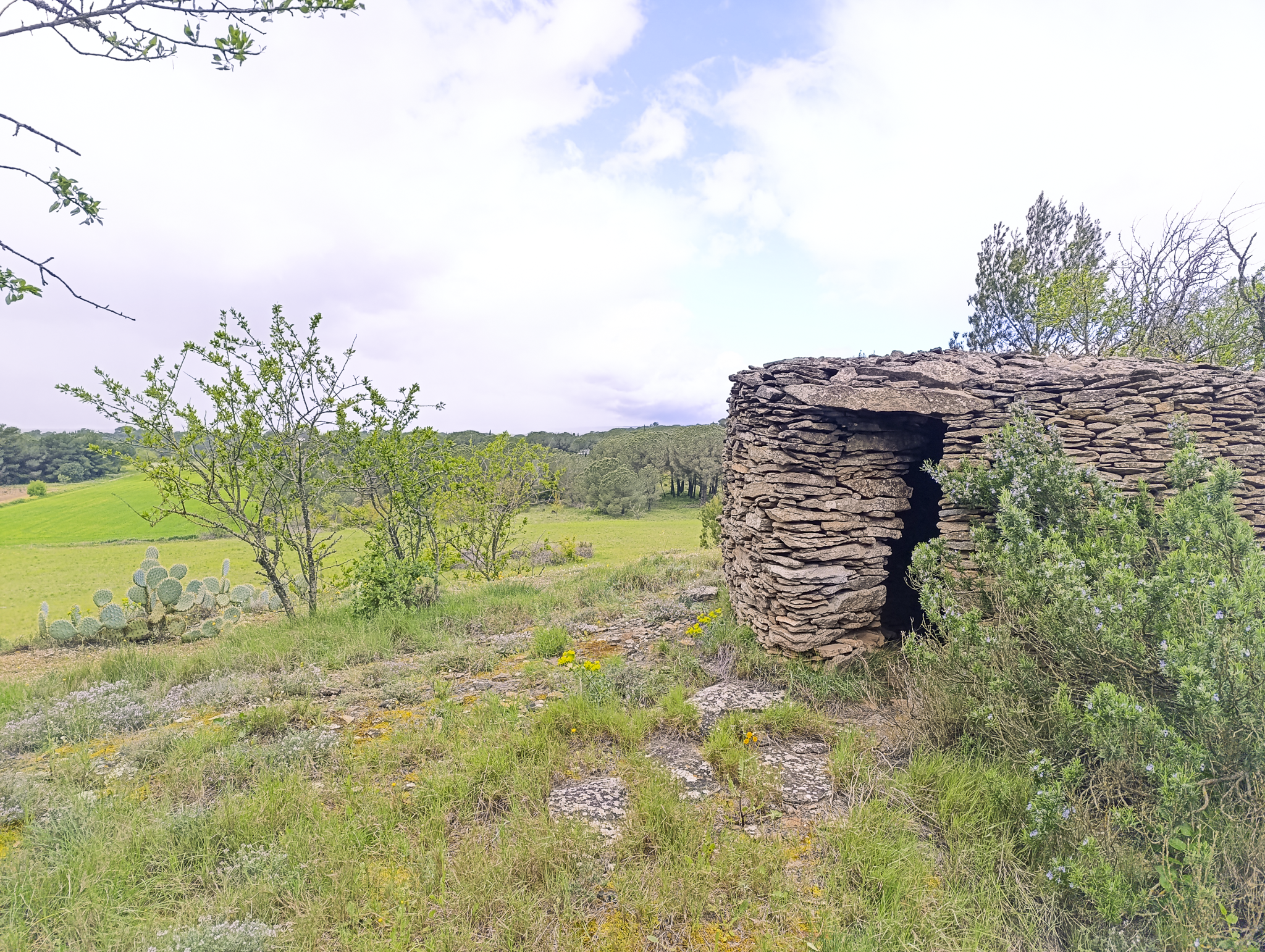
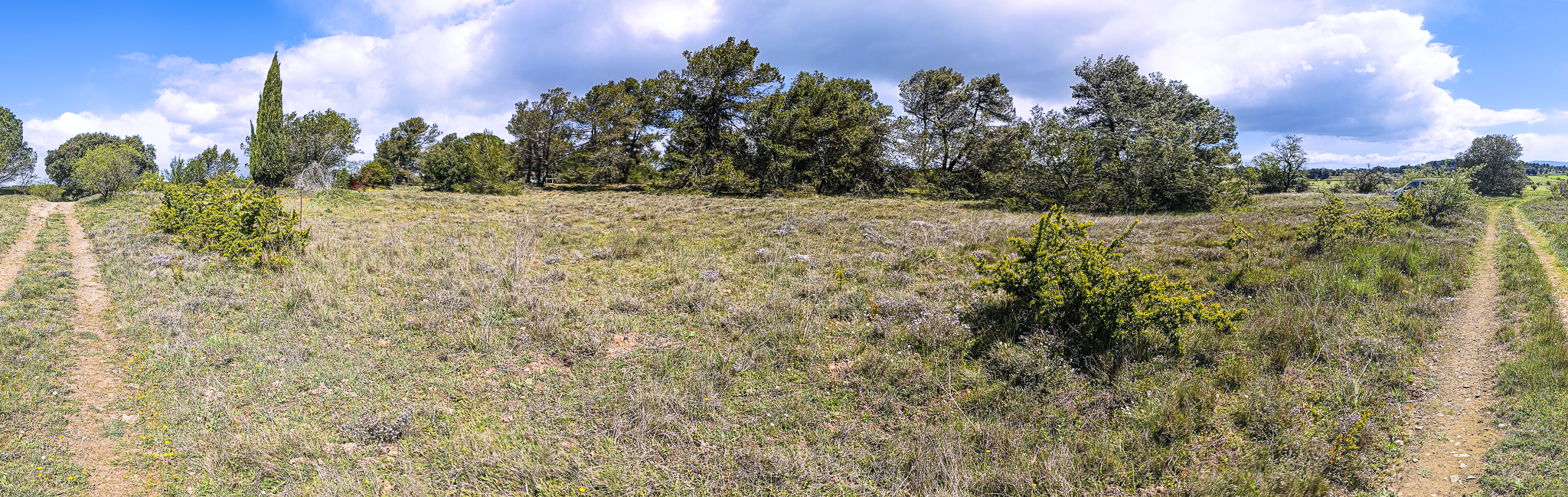
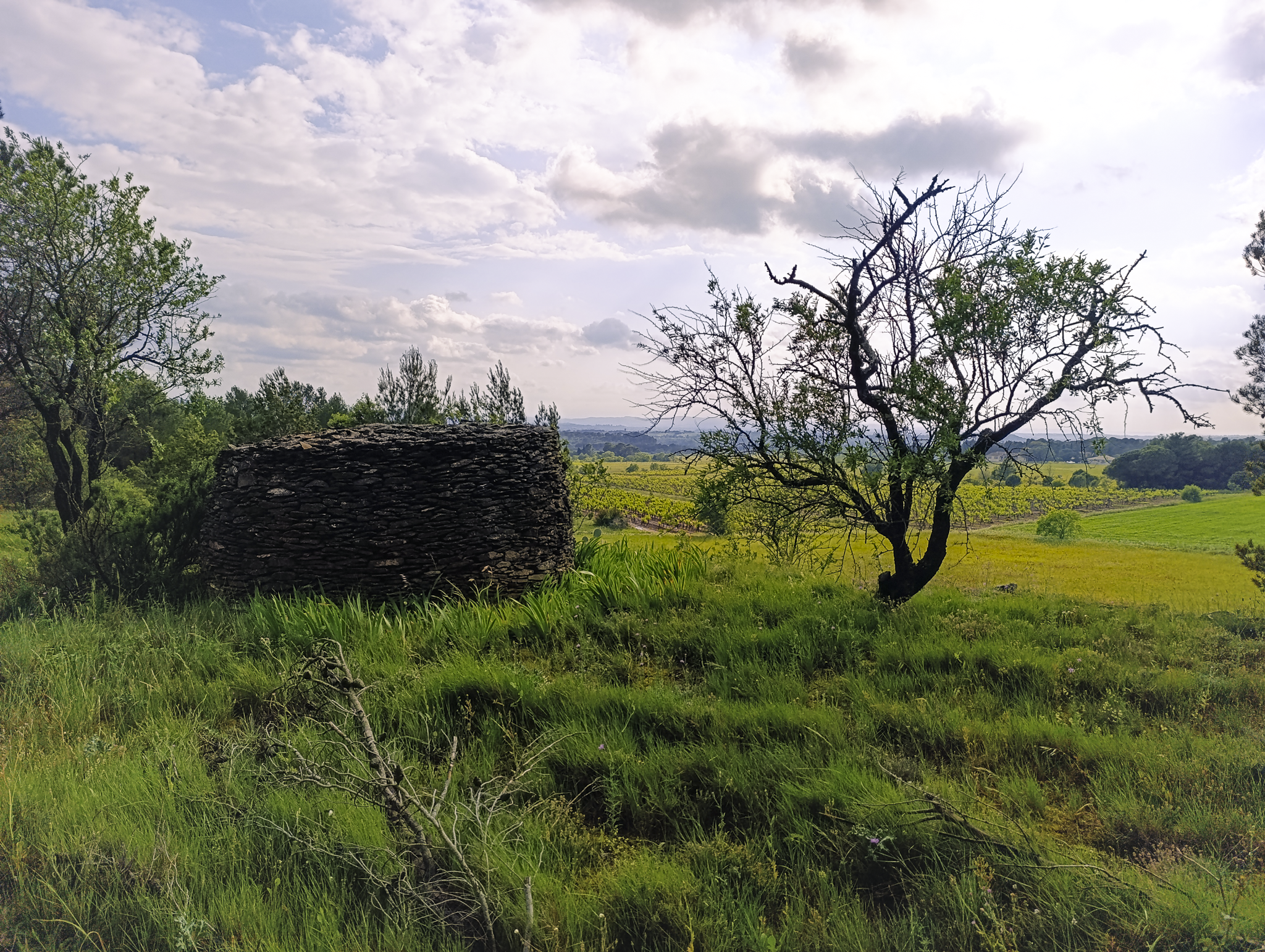
We found 9,000 m² of land in the Minervois: a small shepherd’s hut, a modest bungalow, and a wide view over vineyards stretching toward Carcassonne. It wasn’t perfection that drew us in, but a feeling — a rough, exposed place that somehow felt like home.
This land is shaped by the elements. A thin layer of clay lies over hard limestone. Water is never balanced — scarce for long periods, then suddenly too much. The Autan sweeps down from the mountains, the Mediterranean breeze carries heat, and the sun is relentless, with the constant risk of fire always present. Little grows easily here, and nothing without care.
We came looking for something simple: a quiet place for wild camping and a slower life in our spare time. What we found instead was a challenge we couldn’t ignore — a lifeless land asking to be understood, protected, and slowly brought back to life.
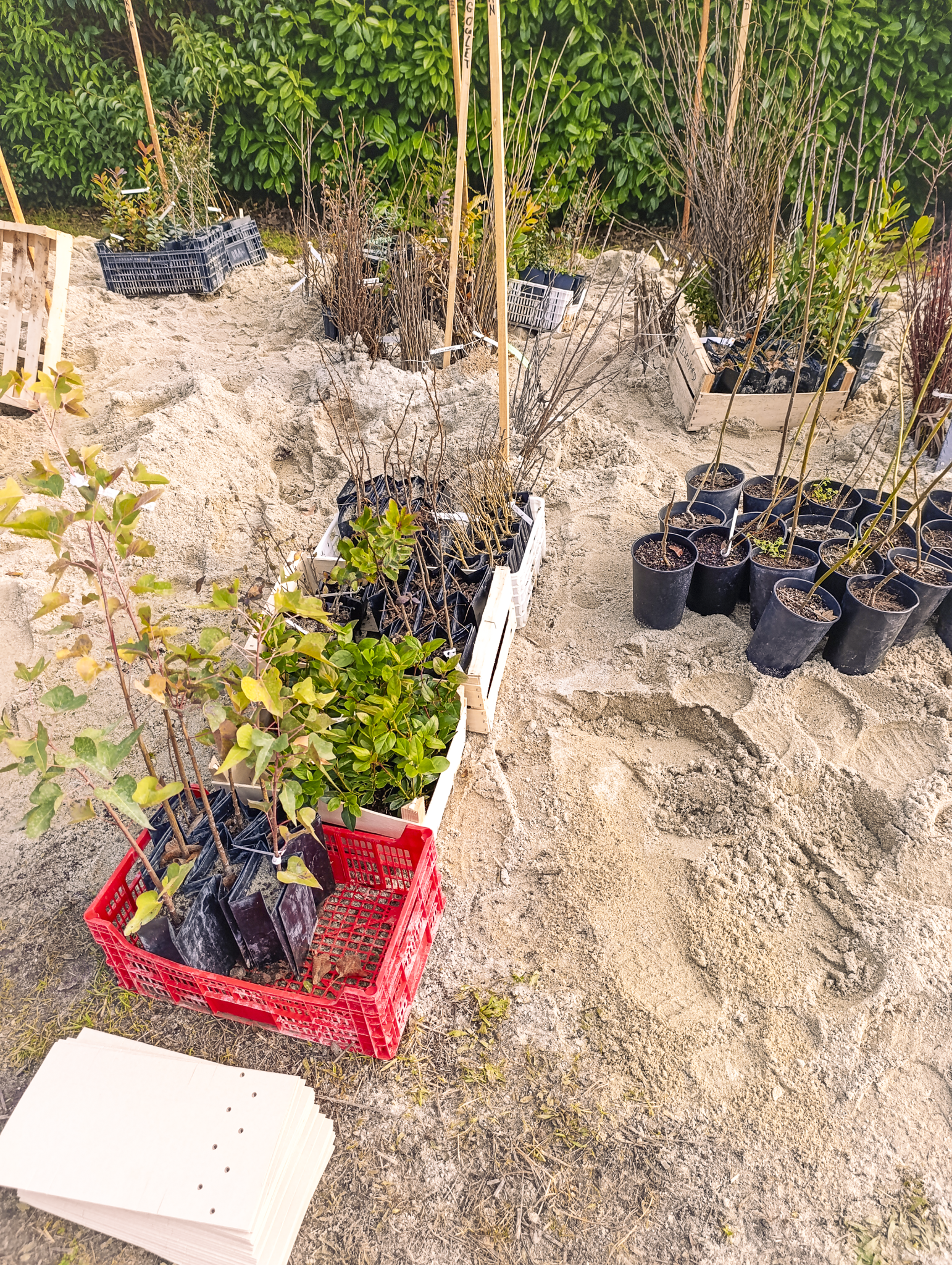
Through permaculture and the forest garden concept, we are experimenting with ways to regenerate this place: improving soil and water retention, reducing fire risk, bringing plants and animals back, and seeing what might grow here. We work mostly with our own hands, on a small budget, sometimes helped by friends and family, always guided by observation rather than certainty.
This is not a finished project, and we are not experts. This land is our open-air classroom.
This blog is our field journal — a record of learning, failure, adjustment, and progress, shaped by the elements. Come with us. We don’t have a master plan — only curiosity, commitment, and a strong appetite for learning.